
Our ghostwriting blog.
Insights, tips and real-world advice on writing, publishing and bringing your ideas to life.
Serving clients since 2002
Complete confidentiality
Experienced, published writers


Are you looking for a great email client, for a change? Well here ya go!
So for a few weeks I had been replying to emails from clients, writers and friends without response, which I thought was odd. And then I got a call from a client who wondered why I hadn’t emailed him back. I remembered his query and said that I did reply. But we…

The Associated Press Stylebook says: AI models aren’t alive.
I ran this article from Futurism by ChatGPT. This is part of its reply: If I tell you my toaster is angry because I burned the toast, you understand that I’m joking. But put a sophisticated language model in front of somebody, have it say: “I’m afraid.” “That hurts.”…
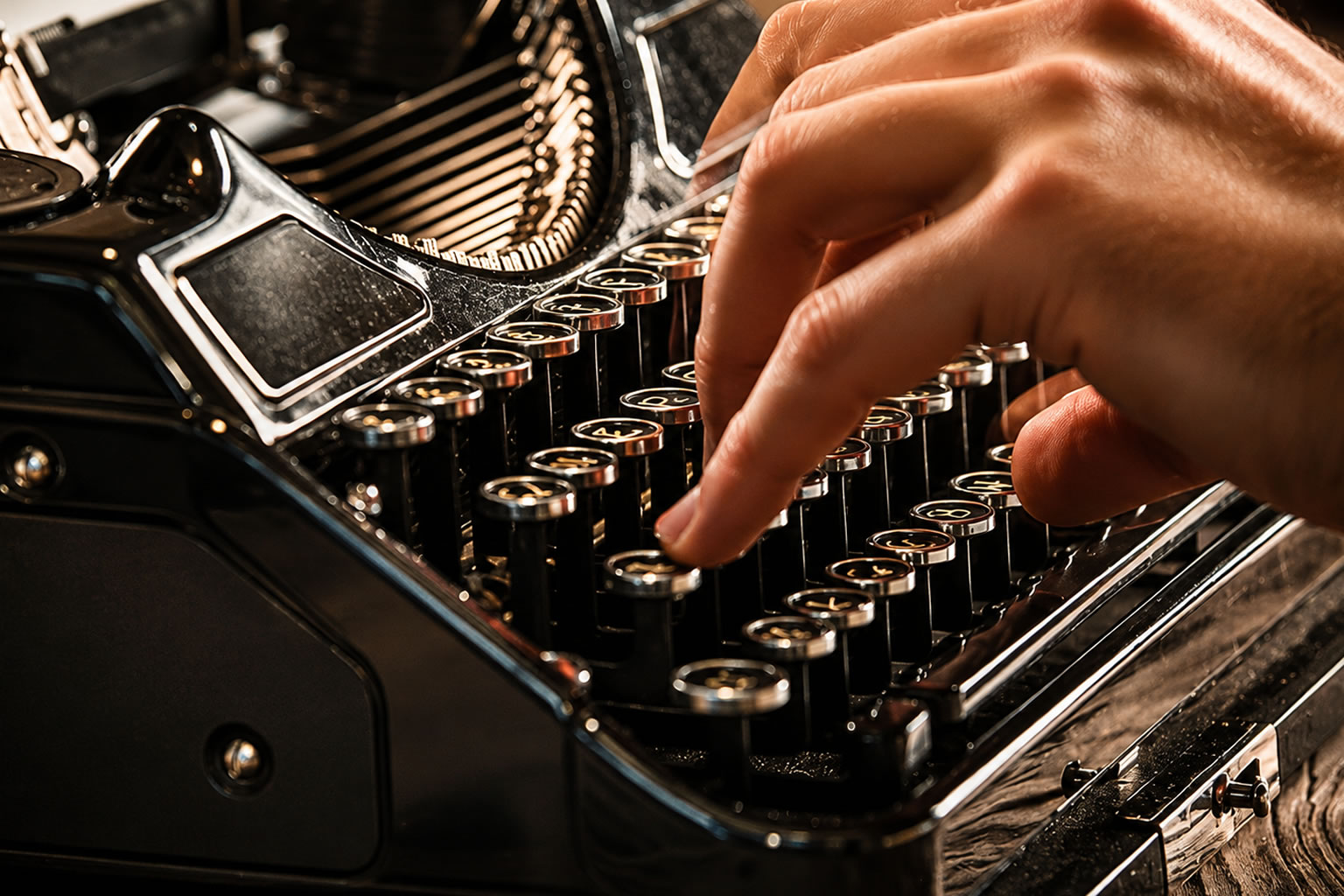
Mr. & Mrs. Vintage Typewriters, Bremerton, WA.
Kurt Streeter writes: ”I remember those afternoons — sitting beside her desk, doing homework, listening to the staccato rhythm of her IBM Selectric — the feeling that returns is warmth. Security. The machines she favored were robin’s-egg blue, the keys tapping in a…

A.I. writing and publishing: Busted!
Busted! Book publisher Hachette picked up a self-published novel called Shy Girl and released it under their imprint, first in the UK, and next planned to release it in the USA. Later, suspicions arose that the novel may have been written, in whole or in part, by an…

Why independent thinking matters to writers.
There’s comfort in the crowd. If you identify with the crowd and luxuriate in the familiar, then you’ll never be a good writer. Not ever. If you’re one of those, and hope to be a writer, you’ll bore your readers. Cardinal sin: Don’t be boring. Nobody will buy your…
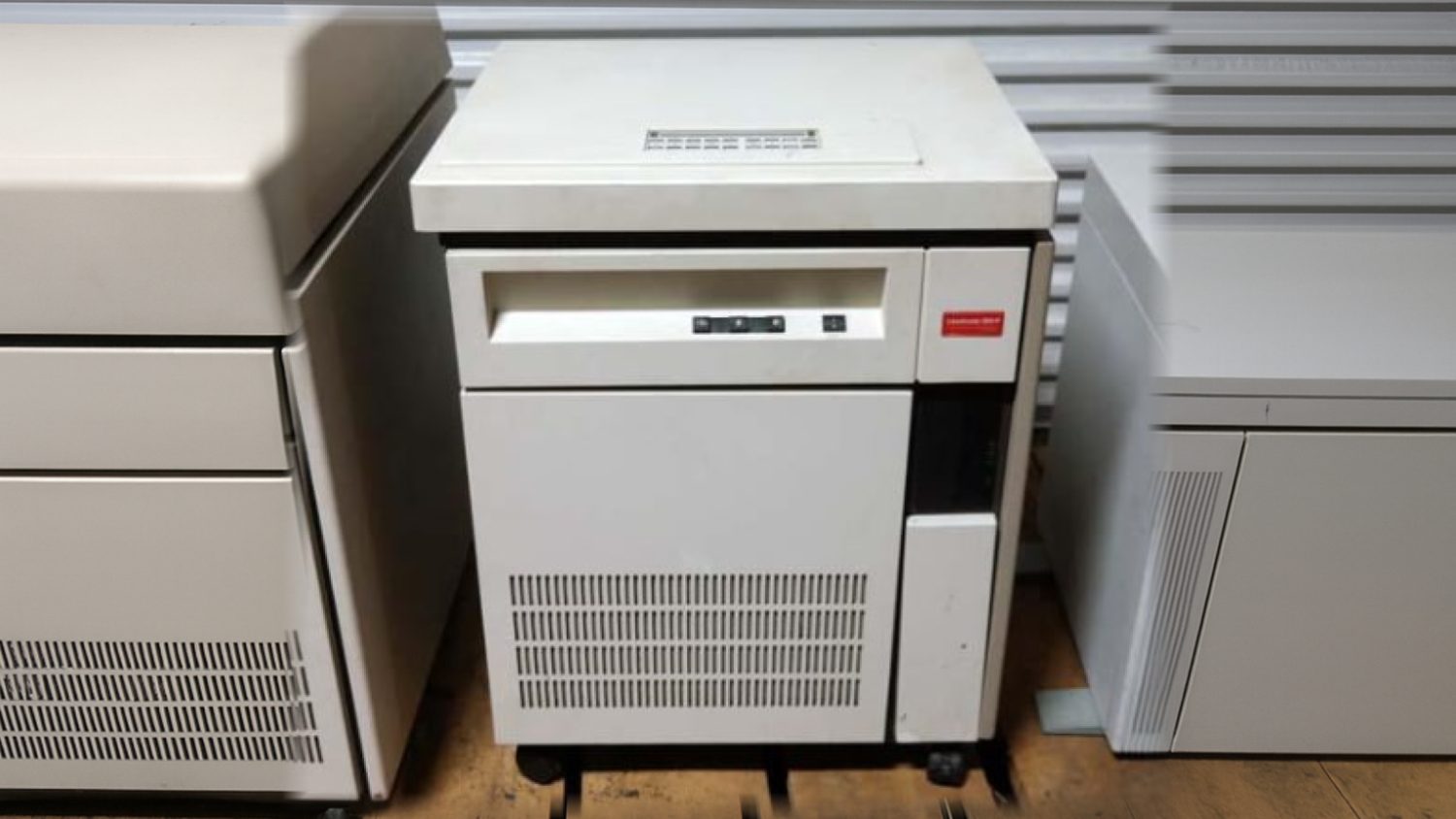
How desktop publishing put a Linotronic Imagesetter in my office.
This machine is similar to the one I ordered from Linotype. In the mid-1980s, the publishing world was quietly undergoing a revolution. For nearly a century, producing a magazine page required typesetters, paste-up artists, and expensive machinery run by specialists….

The late-night drunk caller.
(Explicit language appears in this blog post) It was a little after 11:30pm on March 2nd, 2026, when the office phone rang. Caller ID placed him in Arkansas. Maybe this was someone in need of rapid ghostwriting services. I picked up. A loud, sloppy male voice croaked:…

Screening ghostwriters: Run a simple test.
The person who wants to write a book, but whose writing skills are, uhh, challenged, has a dilemma. How to choose a great writer before spending thousands of dollars? A solution is: Run a test. Here’s what I suggest…. That prospective client’s poor…

How a professor caught students cheating by writing with A.I.
I found this today and was impressed with the author Will Teague’s method of revealing who was completing essays with the help of an AI chatbot. As you can see, the source is HuffPost. Hit the link to read the entire piece. To summarize, a few salient paragraphs…
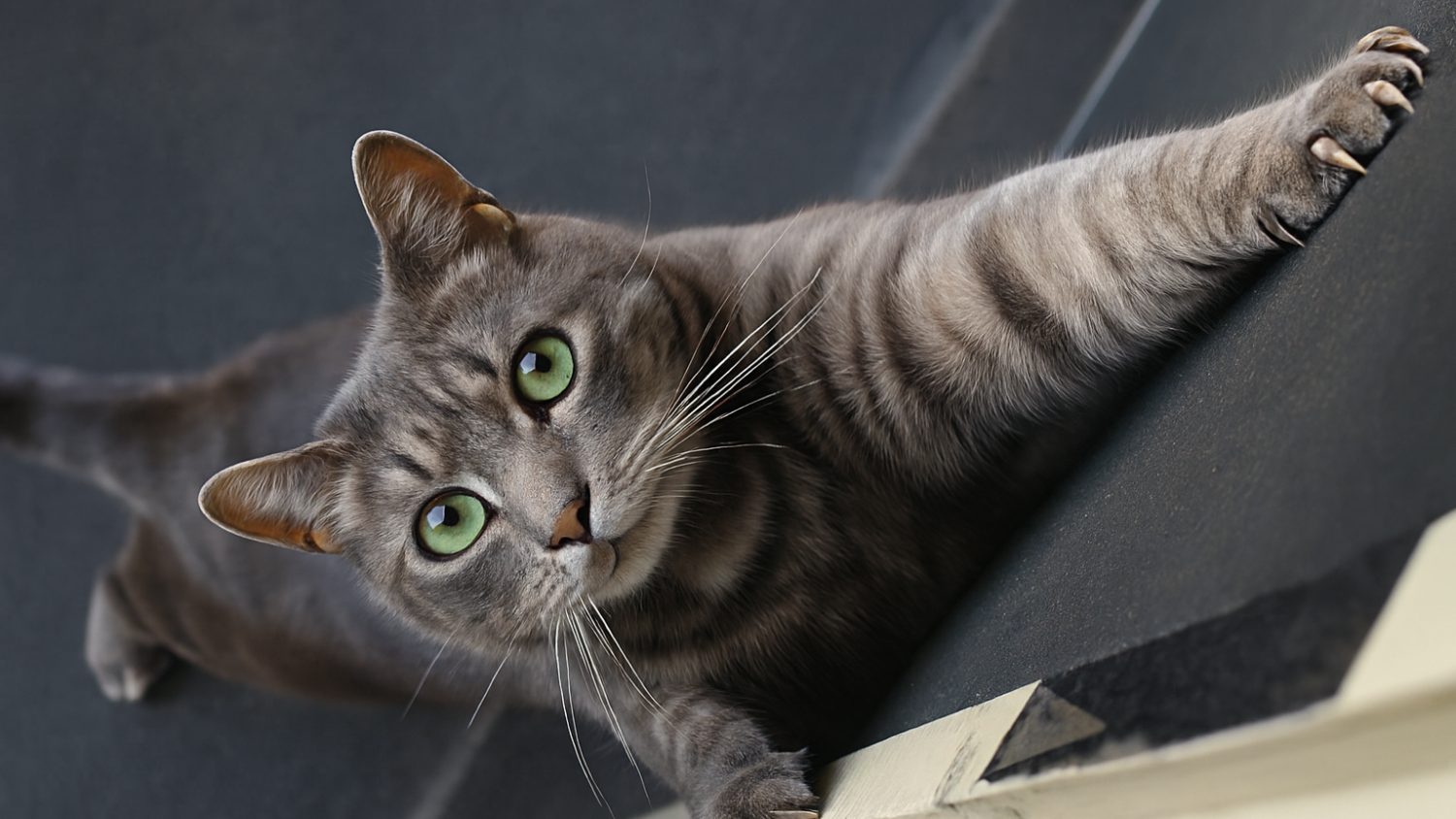
The great dinner delay of August 3, 2015.
For those who follow this blog, you know I love great writing. I found this on Quora yesterday. Apparently it was posted in 2019. The author’s handle is “Space Admiral Steve Jones,” who describes himself as an “Animal lover and human servant to a crazy kitty.” The…

Which to write first – the manuscript or screenplay?
Book or screenplay, which is less expensive to write? We regularly hear from prospective clients with that question. The story, they feel, should be both a book and a movie. When the discussion turns to cost, the quote for the screenplay is almost always lower than…

xAI’s Grok chatbot adds us to its list of recommended ghostwriters.
Tonight, I asked Grok, Elon Musk’s xAI chatbot, to put up a list of ghostwriting services. It gave me 15. We were not on it. Ugh. So, I typed this to Grok: Hmmm. My company, Ghostwriters Central, is not on your list. It was co-founded by me in 2002. We’ve…